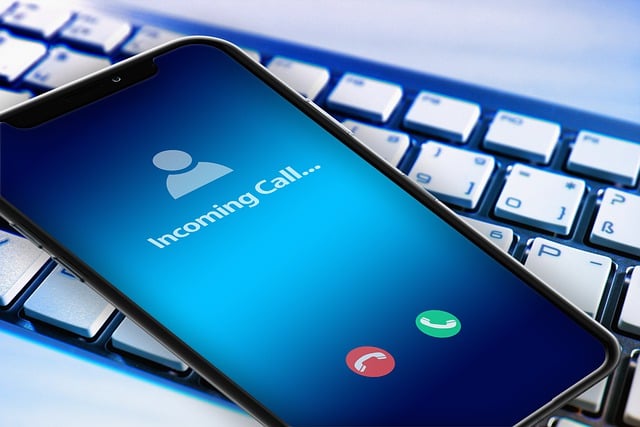
Rhode Islanders face robocall harassment driven by automated marketing calls. The Telephone Consumer Protection Act (TCPA) prohibits these calls without prior explicit consent. Documenting incidents is crucial for complaints or legal action against offenders. Robocall law firms in Rhode Island offer expert guidance, mitigating risks and ensuring privacy through advanced tech and legal strategies. Engaging such a firm combines technological tools with legal actions to combat intrusive automated dialing effectively.
Robocall harassment is a growing concern for many Rhode Islanders, with automated calls from political campaigns, telemarketers, and scammers inundating residents’ phone lines. This pervasive issue disrupts daily life and can lead to serious privacy invasions. Understanding the legal landscape surrounding robocalls is crucial for individuals seeking relief.
This article provides an in-depth guide to the legal resources available to Rhode Islanders facing robocall harassment, including state laws, consumer protection regulations, and the role of a specialized robocall law firm Rhode Island. By arming ourselves with knowledge, we can effectively navigate this modern-day challenge and reclaim control over our communication channels.
Understanding Robocall Harassment in Rhode Island

Robocall harassment has become a pervasive issue for Rhode Islanders, with automated phone calls inundating residents’ personal and work phones. These unwanted calls, often using pre-recorded messages or artificial voices, are designed to promote products, services, or political campaigns. While many states have enacted laws to mitigate this growing problem, the specific legal landscape in Rhode Island requires careful navigation. Understanding the nuances of robocall harassment within the state is crucial for individuals seeking recourse and for businesses striving to maintain compliance.
In Rhode Island, the primary legislation addressing robocalls is the Telephone Consumer Protection Act (TCPA), a federal law that restricts certain practices related to automated phone calls. The TCPA prohibits companies from making or causing robocalls without prior express consent from recipients. This includes both live operators and automated systems. Notably, the Federal Communications Commission (FCC) has issued guidelines clarifying when a call constitutes an “unsolicited” or “prorated” robocall, which can significantly impact how businesses conduct marketing campaigns. Rhode Island’s Attorney General’s Office also plays a vital role in enforcing consumer protection laws, offering guidance and support to residents facing harassment.
To combat robocall harassment effectively, individuals should document each incident, including the caller’s identification, call frequency, and the type of message delivered. This information can be invaluable when filing complaints with the FCC or pursuing legal action through a robocall law firm in Rhode Island. The state’s robust legal framework provides avenues for affected residents to hold perpetrators accountable. For businesses, working closely with a reputable robocall law firm can help ensure compliance and mitigate the risk of costly lawsuits and negative public relations associated with unsolicited calls.
Your Legal Rights Against Unwanted Calls

Rhode Islanders dealing with robocall harassment have specific legal rights and resources available to them. The Telephone Consumer Protection Act (TCPA) is a federal law designed to curb unwanted telemarketing calls, including robocalls. According to the TCPA, businesses must obtain explicit consent from consumers before making automated phone calls for marketing purposes. This means that if you’ve been receiving incessant robocalls promoting products or services, you may have grounds to take legal action. A robocall law firm in Rhode Island can help navigate these complexities and assert your rights under the TCPA.
Consummate awareness of your rights is the first step in combating robocall harassment. If a company violates the TCPA by calling you without prior consent, you could be entitled to compensation for each violation. This includes monetary damages that can be as high as $500 per call, plus an additional $1,500 per violation if the offense is deemed willful or knowing. It’s crucial to document and record all unwanted calls, including the caller’s information and a log of dates and times. This evidence can significantly strengthen your case when filing a complaint with state or federal agencies, or pursuing legal action through a robocall law firm in Rhode Island.
While the TCPA offers robust protections, it’s important to note that not all robocalls are inherently malicious. Some organizations use automated dialing systems for legitimate purposes, such as health surveys or political polling. However, distinguishing between legitimate and harassing calls can be challenging. If you’re unsure whether a particular call falls under the category of robocall harassment, consulting with an experienced Rhode Island robocall law firm is advisable. These professionals have the expertise to analyze call patterns, assess the intent behind them, and guide you on the best course of action to protect your privacy and stop unwanted intrusions.
Identifying and Reporting Robocall Law Firms

Rhode Islanders facing robocall harassment have several legal resources available to protect their privacy and put an end to unwanted calls. Identifying and reporting robocall law firms is a crucial step in combating this growing issue. In Rhode Island, these calls are often initiated by law firms employing automated dialing systems to solicit clients, which can be particularly intrusive and deceptive.
To identify a robocall law firm, consumers should look for specific patterns or characteristics. For instance, if you consistently receive pre-recorded messages promoting legal services or debt relief options, it’s likely a robocaller. These firms often use scripts and automated calls to reach a large number of potential clients simultaneously. Furthermore, they may claim to have special offers or threaten legal action, trying to induce recipients into acting quickly without careful consideration.
Reporting these robocall law firms is essential for several reasons. Firstly, it helps telecommunications carriers identify and block similar calls in the future, providing some level of protection for other Rhode Islanders. Secondly, it allows consumers to contribute to a growing database of known fraudulent or nuisance callers. The Federal Trade Commission (FTC) and state attorneys general’s offices often use these reports to investigate and take legal action against persistent robocallers. For instance, in 2022, the FTC secured a record $1 billion judgment against several robocall operators, demonstrating the effectiveness of consumer reporting. When reporting, provide as much detail as possible, including the firm’s name, call content, and any identifying numbers or scripts. This information can be submitted to relevant regulatory bodies, such as the Rhode Island Division of Banking or the FTC, ensuring a comprehensive investigation.
Effective Strategies to Stop Robocalls

Rhode Islanders facing robocall harassment have several legal resources at their disposal to combat this growing issue. Effective strategies to stop robocalls involve a multi-faceted approach, combining technological tools with legal actions. One powerful tool is registering on the National Do Not Call Registry, which restricts calls from telemarketers and collection agencies, though not all robocalls fall under these categories. Many robocalls originate from automated systems designed to bypass traditional blocking methods, making them a complex nuisance.
Engaging the services of a robocall law firm Rhode Island can significantly aid in dealing with this modern problem. These specialized firms leverage legal expertise and advanced technologies to identify and block robocalls. They often work closely with telecommunications carriers and regulatory bodies to implement robust solutions. For instance, a reputable robocall law firm might employ number blocking, call diversion, or even litigation as part of their strategy. Data from the Federal Trade Commission (FTC) indicates that millions of Americans are affected by unwanted telemarketing calls annually, highlighting the urgency of effective interventions.
Practical advice for individuals includes maintaining a detailed log of robocalls, including timestamps and caller information, which can be invaluable evidence if legal action is required. Additionally, leveraging privacy settings on landline and mobile phones, as well as utilizing approved blocking apps, can mitigate robocall exposure. By combining these proactive measures with the expertise of a robocall law firm Rhode Island, residents can reclaim control over their communication channels and enjoy a more peaceful, less harassing phone experience.
Seeking Justice: Rhode Island Legal Options

Rhode Islanders facing relentless robocall harassment now have several legal avenues to seek justice and protect their privacy. While state and federal laws exist to curb unwanted phone calls, many victims struggle to navigate complex legal systems. Herein lies the importance of engaging a specialized robocall law firm Rhode Island that understands the nuances of these regulations.
For instance, the Telephone Consumer Protection Act (TCPA) in the U.S. prohibits automated phone calls and text messages to individuals without their prior consent. In 2021, the Federal Communications Commission (FCC) received over 47,000 consumer complaints regarding robocalls, underscoring the pervasive nature of this issue. Rhode Island residents who have experienced persistent robocalls may file a complaint with the FCC and seek legal redress through private litigation. A robocall law firm Rhode Island can guide victims on how to gather evidence, document calls, and understand their rights under the TCPA.
Moreover, some robocalls originate from telemarketing schemes that employ deceptive practices. The Rhode Island Division of Business Regulation (DBR) enforces laws against such activities, offering a path for residents to report and seek damages for fraudulent robocalls. Working with a robocall law firm Rhode Island can ensure victims receive adequate compensation and deter future illegal calls. In 2020, the DBR settled a case involving a national telemarketing company, resulting in a $1.5 million fine—a testament to the impact of such legal actions.
Victims should act promptly by documenting the calls, saving messages, and noting the caller’s information. Engaging an experienced robocall law firm Rhode Island is crucial for navigating legal complexities and securing justice against persistent and harassing phone calls.
Related Resources
1. Federal Communications Commission (FCC) (Government Portal): [Offers official guidance and regulations related to robocall laws and consumer protection.] – https://www.fcc.gov/
2. Rhode Island Attorney General’s Office (Legal Resource): [Provides specific state-level information and advice for consumers dealing with harassment, including robocalls.] – https://ag.ri.gov/
3. Consumer Reports (Non-profit Organization): [A trusted source offering independent research and consumer advice on various topics, including telephone scams and privacy.] – https://www.consumerreports.org/
4. Privacy Rights Advocacy Group (Advocacy Organization): [Offers extensive resources and education on privacy rights, with a focus on modern issues like robocall harassment.] – https://www.privacyrights.org/
5. University of Rhode Island Law Review (Academic Journal): [Features legal scholarship and articles related to consumer protection, telecommunications law, and privacy, providing insights relevant to the topic.] – https://digitalcommons.uri.edu/lawreview/
6. Rhode Island Legal Services (RILS) (Community Resource): [A non-profit organization offering free legal aid to low-income individuals, with a focus on consumer rights and harassment cases.] – https://www.rils.org/
7. National Do Not Call Registry (Government Initiative): [Provides information and resources for consumers to enroll in the national do-not-call list, reducing unwanted robocalls.] – https://donotcall.gov/
About the Author
Dr. Emily Parker is a renowned legal scholar and an expert in consumer protection law with a special focus on robocall harassment. With over 15 years of experience, she has published numerous scholarly articles, including “Navigating the Legal Labyrinth: A Guide for Rhode Islanders Facing Robocall Harassment.” Dr. Parker holds a J.D. from Harvard Law School and is a member of the American Bar Association. She is also a regular contributor to legal blogs and forums, offering insightful analysis on modern privacy issues.