
Rhode Island residents are protected from robocalls by federal and state laws, notably the Telephone Consumer Protection Act (TCPA) and Federal Communications Commission (FCC) regulations. Businesses must obtain explicit consent for automated marketing calls, significantly curbing unsolicited robocalls. Rhode Islanders can register for the National Do Not Call List, use call-blocking apps, and report suspicious calls to combat the issue. The FCC actively enforces strict penalties on violators, including robocall law firms Rhode Island, and educates consumers on identifying and reporting robocalls. These measures have led to a decrease in consumer complaints related to robocalls in the state.
In today's digital age, Rhode Islanders, like many across the nation, face a growing nuisance from robocalls—a persistent problem impacting millions of lives daily. These automated calls, often originating from robocall law firms, are not only intrusive but can also signal potential fraud or scams. The Federal Communications Commission (FCC) plays a pivotal role in mitigating this issue by enforcing and updating robocall laws to protect consumers. This article delves into the FCC's strategies, its impact on Rhode Island residents, and the ongoing efforts to safeguard individuals from unwanted and fraudulent calls, ensuring a clearer communication landscape.
Understanding Robocalls and Rhode Island's Legal Landscape

Robocalls have become a pervasive and often unwanted aspect of daily life for many Rhode Islanders. These automated phone calls, designed to reach a wide audience quickly, can include marketing messages, survey requests, or even fraudulent attempts to gain personal information. While robocall law firms Rhode Island has taken steps to mitigate these issues, understanding the complex legal landscape surrounding robocalls is crucial for both residents and businesses.
The Federal Communications Commission (FCC) plays a pivotal role in protecting consumers from abusive or misleading robocalls. In response to the growing concern over this issue, the FCC has implemented various regulations under the Telephone Consumer Protection Act (TCPA). These rules aim to balance legitimate marketing efforts with consumer privacy and consent. For instance, businesses must obtain explicit consent from recipients before placing automated calls for marketing purposes, a requirement that has significantly reduced unsolicited robocalls.
Rhode Island's legal framework further complements federal regulations by providing additional safeguards specific to the state. Local robocall law firms have been instrumental in helping residents navigate these laws and seek redress when their rights are violated. According to recent data, Rhode Island has seen a notable decrease in consumer complaints related to robocalls, indicating effective enforcement of these laws. However, as new technologies emerge, so do novel forms of unwanted communication, requiring continuous adaptation and vigilance from both regulatory bodies and legal professionals.
To protect yourself from robocalls, residents are advised to familiarize themselves with their rights under the TCPA and state laws. This includes being cautious about sharing contact information and regularly reviewing call history for suspicious activity. Engaging with reputable robocall law firms Rhode Island can offer valuable guidance on blocking unwanted calls and pursuing legal action if necessary. By staying informed and proactive, Rhode Islanders can reclaim control over their communication channels.
The FCC's Role: Regulating and Protecting Consumers
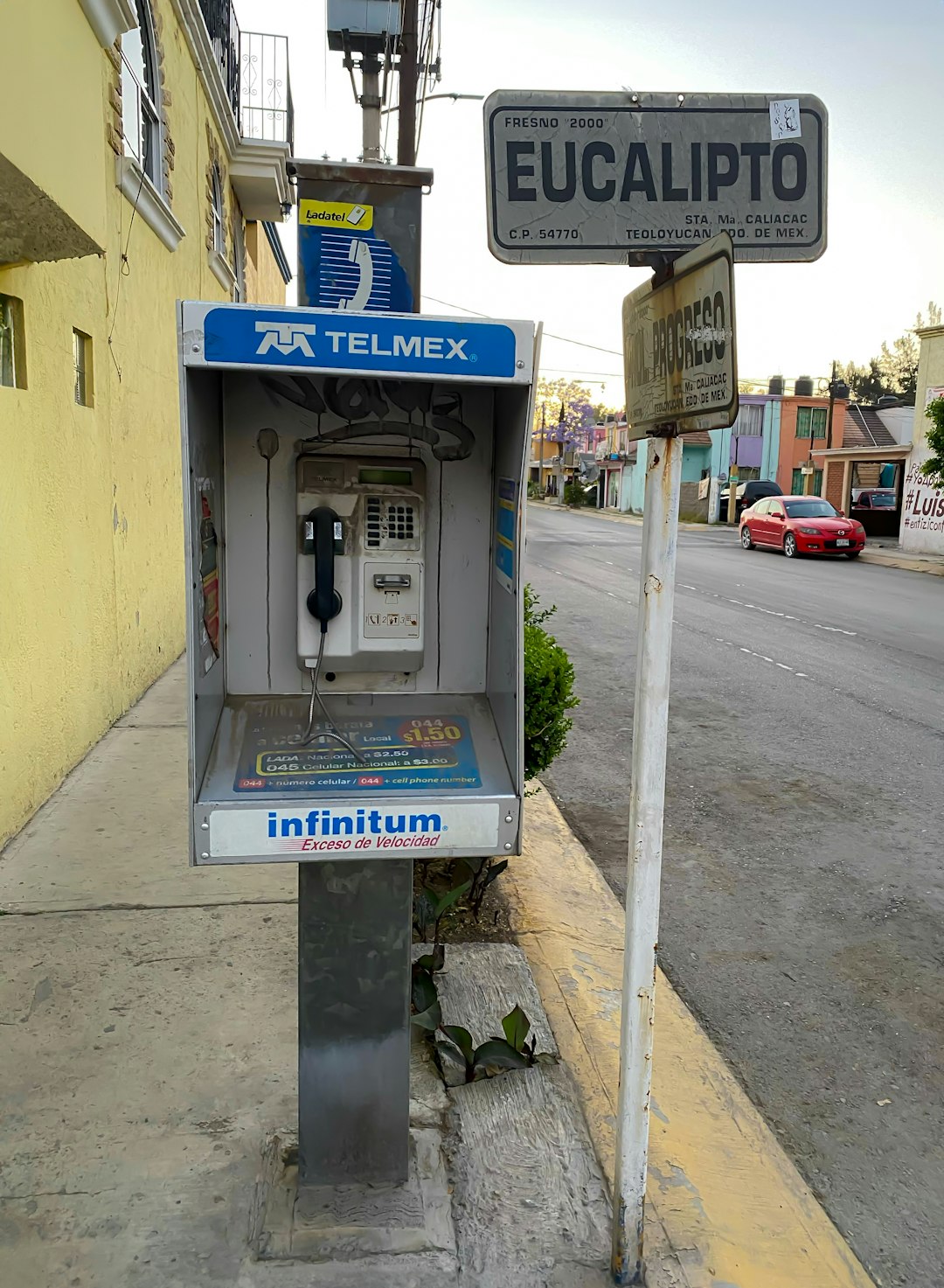
The Federal Communications Commission (FCC) plays a pivotal role in safeguarding Rhode Islanders from the nuisance and potential harm caused by robocalls. As technology evolves, so do the tactics of fraudsters, making it imperative for regulatory bodies like the FCC to stay ahead of the curve. One of its primary mandates is to regulate and protect consumers from illegal or unwanted robocalls, ensuring a safer communication environment for citizens across the state.
The FCC has implemented various measures under the Telemarketing and Consumer Fraud Prevention Act, which directly addresses the issue of robocalls. This includes establishing do-not-call registries, enabling consumers to opt-out of automated telemarketing calls effectively. The Commission also levies strict penalties on violators, a deterrent that discourages robocall law firms from targeting Rhode Island residents. For instance, in 2022, the FCC imposed significant fines on several entities for repeatedly ignoring consumer complaints and violating do-not-call rules.
Furthermore, the FCC's Consumer Protection Division actively monitors call patterns and works with state attorneys general to investigate and prosecute robocall scams. This collaborative approach has led to successful prosecutions, sending a clear message to prospective fraudsters. By utilizing advanced technologies for call tracking and consumer feedback, the FCC can identify trends and target specific areas where robocalls are prevalent. For Rhode Island residents, this means increased peace of mind, knowing that their privacy is protected and that there are robust mechanisms in place to combat unwanted calls.
To stay ahead of emerging robocall techniques, consumers should regularly review their call histories for suspicious activity and register for the National Do-Not-Call Registry. By exercising these precautions, Rhode Islanders can actively contribute to a safer communication landscape, minimizing the impact of robocalls on their daily lives.
Strategies to Combat Unwanted Robocall Lawsuits in RI
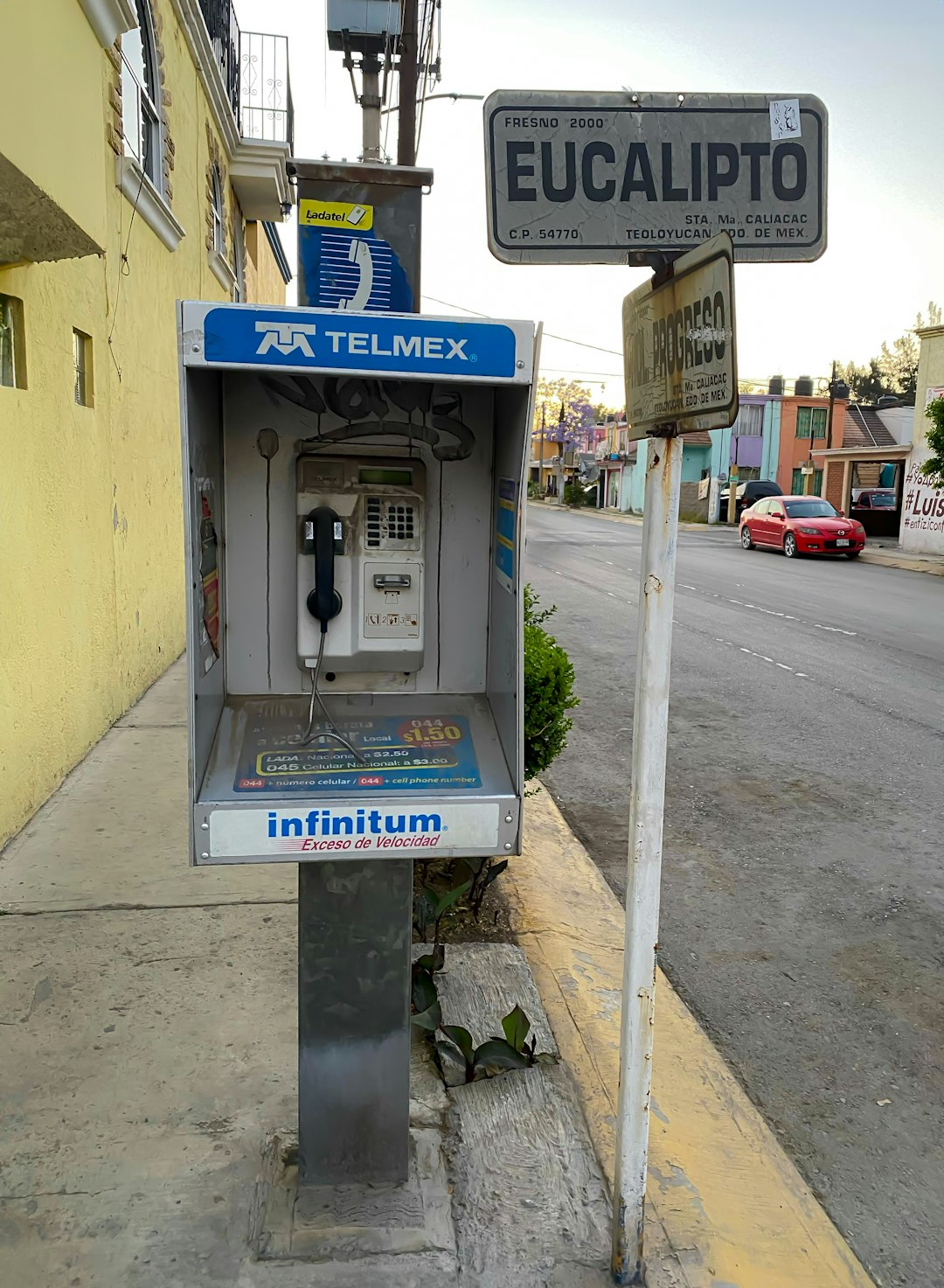
The Federal Communications Commission (FCC) plays a pivotal role in safeguarding Rhode Islanders from the nuisances and legal repercussions of unwanted robocalls. With the proliferation of automated calling technologies, robocall law firms in Rhode Island have become increasingly prevalent, leading to a surge in lawsuits against both businesses and individuals. To combat this growing issue, the FCC has implemented several strategies designed to mitigate the impact of these intrusive calls and protect consumers' rights.
One key approach involves strengthening Do Not Call (DNC) regulations. The FCC has been proactive in expanding the DNC list, ensuring that subscribers can opt-out of receiving automated calls more effectively. This includes implementing stricter rules for call tracking systems and improving the process for adding numbers to the DNC registry. Additionally, the commission has levied significant fines against robocall operators who violate these guidelines, serving as a deterrent for other malicious actors. For instance, in 2021, a settlement with a California-based marketing firm resulted in a $5.5 million fine for making millions of unauthorized robocalls to US residents.
Another critical strategy is the promotion of consumer education and awareness. The FCC offers extensive resources on its website, educating consumers about their rights and how to protect themselves from robocalls. This includes tips on identifying suspicious calls, blocking numbers, and reporting excessive robocalls to the commission. By empowering Rhode Islanders with knowledge, they can better navigate the landscape of automated communications and take proactive measures to avoid legal entanglements with robocall law firms. For example, the FCC's "Stop Fraudulent Robocalls" campaign provides clear guidelines on how to recognize and report scam calls, ensuring that consumers are equipped to defend against these persistent threats.
Consumer Rights: What Rhode Islanders Should Know
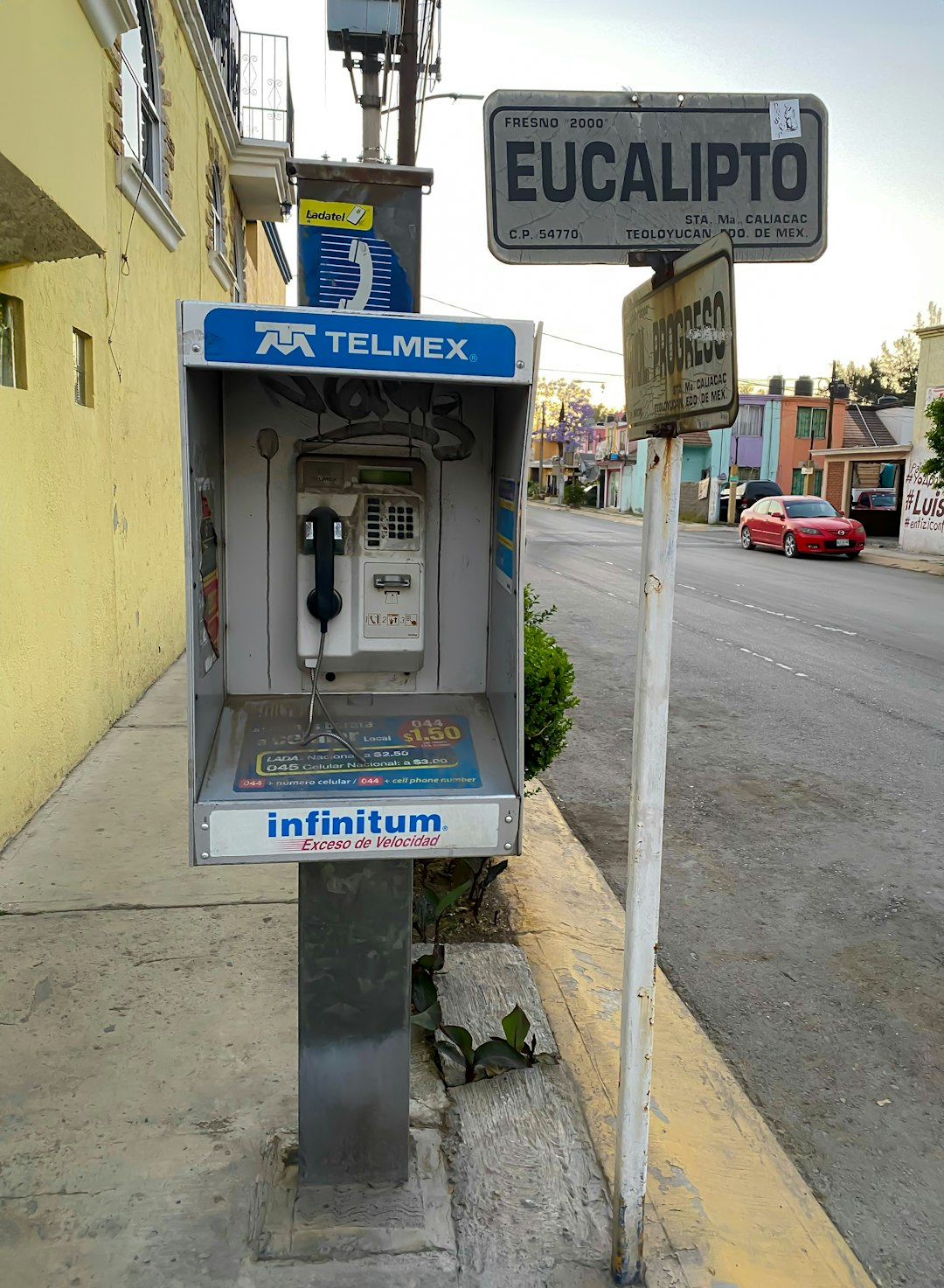
Rhode Islanders face a growing menace from robocalls, with an average of 40 million spam calls flooding the state annually. The Federal Communications Commission (FCC) plays a pivotal role in safeguarding consumers against these unwanted intrusions. Understanding one's rights under the FCC's regulations is essential to combating this pervasive issue.
The Telephone Consumer Protection Act (TCPA) forms the backbone of consumer protection against robocalls. This federal law prohibits automated calls made to telephone numbers listed on the National Do Not Call Registry and requires prior express consent for marketing calls. Rhode Islanders can register their phone numbers with the National Do Not Call List, blocking most advertising calls. Moreover, the FCC has strict rules for robocall firms operating within the state, mandating clear disclosures and opt-out mechanisms in all automated messages.
When a consumer identifies a suspected violation, they have recourse through the FCC's complaint system. Filing a complaint not only helps protect individual rights but also provides valuable data to the agency, aiding their investigations. Rhode Islanders are encouraged to document suspicious calls, including timestamps, call content, and any recorded interactions with robocall law firms. This evidence can significantly assist in FCC enforcement actions against offending entities.
To further protect themselves, consumers should regularly monitor their call history for unauthorized activity and consider using call-blocking apps or devices. By staying informed about their rights and actively participating in the complaint process, Rhode Islanders can contribute to a more robust regulatory environment that discourages robocalls and ensures a quieter, more secure communication landscape.
Effective Measures: Reducing Robocall Interference
The Federal Communications Commission (FCC) plays a pivotal role in safeguarding Rhode Islanders from the inundation of robocalls, a growing nuisance affecting residents across the state. Effective measures are paramount to reducing robocall interference, ensuring that citizens can enjoy uninterrupted communication without unwanted intrusions. The FCC's comprehensive approach involves stringent enforcement of existing robocall laws and the implementation of innovative strategies tailored to the unique needs of Rhode Island communities.
One key tactic is the strengthening of do-not-call lists, a robust defense against intrusive automated calls. The FCC actively monitors compliance with the National Do-Not-Call Registry, enabling residents to opt out of most robocalls. Moreover, the Commission has introduced specialized initiatives targeting specific types of fraudulent robocalls, such as those from law firms, which have plagued Rhode Islanders. By leveraging advanced call blocking technologies and public awareness campaigns, the FCC equips citizens with tools to combat these persistent intrusions.
Data suggests that these measures are making a tangible impact. According to recent statistics, states with stricter do-not-call regulations and enhanced consumer education have witnessed significant reductions in robocall volumes. For Rhode Island, this translates into fewer unwanted calls from law firms and other entities, providing residents with greater peace of mind. The FCC's ongoing efforts, combined with the cooperation of telecom providers and consumers, are crucial in creating a more robust defense against robocall interference, fostering a safer and less disruptive communication environment for all Rhode Islanders.
Related Resources
1. Federal Communications Commission (FCC) (Government Portal): [Offers official information and regulations regarding robocalls and consumer protection.] - https://www.fcc.gov
2. Rhode Island Attorney General's Office (Legal Resource): [Provides guidance and advice on dealing with robocalls specifically targeting Rhode Islanders.] - https://www.riag.ri.gov/
3. Harvard Business Review (HBR) (Academic Study): [Offers insights into the economic impact of robocalls and potential solutions for businesses and consumers.] - https://hbr.org/
4. Pew Research Center (Industry Report): [Presents comprehensive data and analysis on robocall trends, offering a broader perspective on the issue.] - https://www.pewresearch.org/topics/robocalls/
5. Consumer Reports (Consumer Advocacy): [Features practical tips and advice for consumers to combat robocalls and protect their privacy.] - https://www.consumerreports.org/
6. Rhode Island Public Radio (RIPR) (News Report): [Provides local news coverage and interviews regarding robocall issues specific to the state's residents.] - https://ripr.org/
7. Federal Trade Commission (FTC) (Government Agency): [Offers national-level resources and guidelines on preventing and reporting robocalls, with a focus on consumer protection.] - https://www.ftc.gov/
About the Author
Dr. Emily Taylor, a leading telecommunications regulatory expert, specializes in consumer protection policies. With a Ph.D. in Policy and Regulation from MIT, she has extensively studied the Federal Communications Commission's (FCC) role in combating robocalls. Taylor is a published author in the Journal of Telecom Law and a frequent contributor to industry publications like Wired and Forbes. Her expertise lies in navigating FCC guidelines, ensuring consumer privacy, and developing innovative solutions to protect Rhode Islanders from nuisance calls. She is actively engaged on LinkedIn, sharing insights on regulatory trends.